Why bathing water reforms demand a new approach to water quality assessment
May 22, 2026
May 22, 2026
Testing water quality in bathing waters is set to get more complex. Here’s what you need to know.
As we head towards the summer months, bathing waters in England are changing. How we designate, assess, and protect them is undergoing the most significant transformation in decades.
In my opinion, the reforms to Bathing Water Regulations are a positive move towards more realistic and health‑focused outcomes. It will better protect people using inland and coastal waters. But the reforms don’t come without challenges. With them, the water sector must evaluate, model, and tackle impacts on bathing waters, especially at inland locations.
The UK’s bathing water reforms aren’t just more complex, they make traditional water quality assessment essentially unfit for purpose. Without faster, adaptive, and risk-based approaches, the sector will struggle to deliver meaningful public health outcomes at scale.

Reforms to the Bathing Water Regulations will remove fixed bathing seasons.
At the heart of the bathing water reforms are three core changes:
There are also two proposed wider reforms:
These reforms move regulation away from just a narrow, season‑based compliance. They will have a more nuanced, evidence‑led understanding of what’s in our bathing waters at all times.
Under the previous regulations, if a site recorded five years of poor quality in a row, it was automatically de‑designated. This created a need that was out of sync with the water sector’s investment cycle. Trying to gain funding to look at and address issues at newly designated bathing waters would often take too long. By the time investigations were completed and options for improvements identified, sites had lost their designation.
Under the 2025 amendment, consideration will be given to whether it’s feasible for a site to achieve a ‘sufficient’ water quality. Then, it’s possible the site will get more time to improve.
This will give water companies the time they need to investigate, plan, and deliver improvements.
Removing fixed bathing seasons requires a rethink of the whole process. Now, we need to revisit how we assess, model, and mitigate bathing waters.
In the past, designation and compliance were based on parameters that were predictable. There was a defined season, with a limited number of sites and established coastal monitoring. This matters most for inland bathing waters, where dilution is often limited and baseline data, particularly outside of the summer months, can be sparse or non-existent.
But bathing waters aren’t only used in the summer months. When fixed bathing seasons are removed, it reinforces the need to have a year-round understanding of bathing water quality dynamics. Under the new regulations, assessments will be more complex in terms of evidence and interpretation.
The reforms place more importance on understanding when people use the waters. They focus on long‑term trends. And they look at whether improvements are achievable in practice—not just possible in theory.

A proposed change to bathing waters would broaden protection to include all recreational water users, including paddleboarders, surfers, kayakers, and rowers.
Perhaps the greatest challenge posed by the reforms is the sheer scale.
Right now, bathing waters are designated based on evidence of regular swimming at a specific location. Waters mainly used for other forms of recreation—even where people are often immersed or at risk of exposure—have typically not qualified. And it doesn’t matter how popular or well‑used they are.
A proposed change would broaden protection to include all recreational water users. This would include paddleboarders, surfers, kayakers, and rowers. And it will dramatically increase the number of potential bathing waters in the UK. Each will need protection, monitoring, and improvement. That means without a faster, more efficient, consistent approach to assessment, there is a risk of future bottlenecks.
The other proposed change is rather tan relying on one fixed sampling location, water quality will be monitored at multiple points. This would give a more accurate picture of water quality across the whole site, particularly where conditions vary along the shoreline or river.
Another layer of complexity comes in the EA draft 2025 Disinfection Guidance for Discharges to Bathing & Shellfish Waters. It sets minimum reductions required for pathogens, such as viruses, from ‘impacting’ assets. But this raises a question around what is meant by ‘impact’.
Unlike bacterial indicators, it is harder to track viral risks directly. Another challenge? We still don’t fully understand how they behave in inland waters. Without clear definitions of what constitutes an ‘impact’, there is a risk that assumptions could lead to unnecessary or disproportionate action.
Removing fixed bathing seasons requires a rethink of the whole process. Now, we need to revisit how we assess, model, and mitigate bathing waters.
When a treatment works is deemed to have an ‘impact’ on bathing waters, it would need to demonstrate a certain level of reduction in viruses between influent and the bathing water sample point. But due to the lack of dilution at some inland bathing sites, even the most high-functioning wastewater treatment works would struggle to achieve the reduction in viruses. We need to better understand not just whether discharges occur but how pathogens behave, decay, and disperse in specific environments.
A solution is to clearly define the impact of pathogens using thresholds for their scale and duration. This would mean the guidelines are only applied where the risk to public health is highest. In turn, we could target resources at sites where interventions can deliver meaningful health and environmental benefits, rather than applying blanket improvements that may be impractical.
It was a much different regulatory landscape when many of the river quality models that we use across the industry were developed. They assume fixed bathing seasons, pre-defined upstream catchment areas, and pre-existing sample data to calibrate the models. As designation expands and year‑round use becomes more common, we simply can’t use those assumptions.
If we rely on legacy modelling frameworks, it risks producing solutions that are not workable at scale. Instead, the sector needs more flexible approaches. That way, we can estimate how bacteria, viruses, and other pollutants are likely to behave under a range of conditions when there is no baseline data.
On the plus side, we’re finding that there are new approaches that can offer this flexibility. They can speed up the assessment of large numbers of new inland locations, many of which lack robust baseline data and better reflect uncertainty, variability, and real‑world exposure. We have used these approaches to deliver quick and robust assessments for multiple clients in the UK water sector.

As we look to refine regulations for bathing waters, we must acknowledge that relying on legacy modelling frameworks it risks producing solutions that are not workable at scale.
But we see progress happening. The updated regulations will likely offer a huge increase in new bathing waters. To meet that, we are designing new approaches and using innovative technologies to meet the challenges.
Together with UKWIR (Water Industry Research), we are researching novel techniques to improve culturing methods. The traditional methods are time-consuming. We are looking into quantitative polymerase chain reaction (qPCR) and environmental DNA (eDNA) as options.
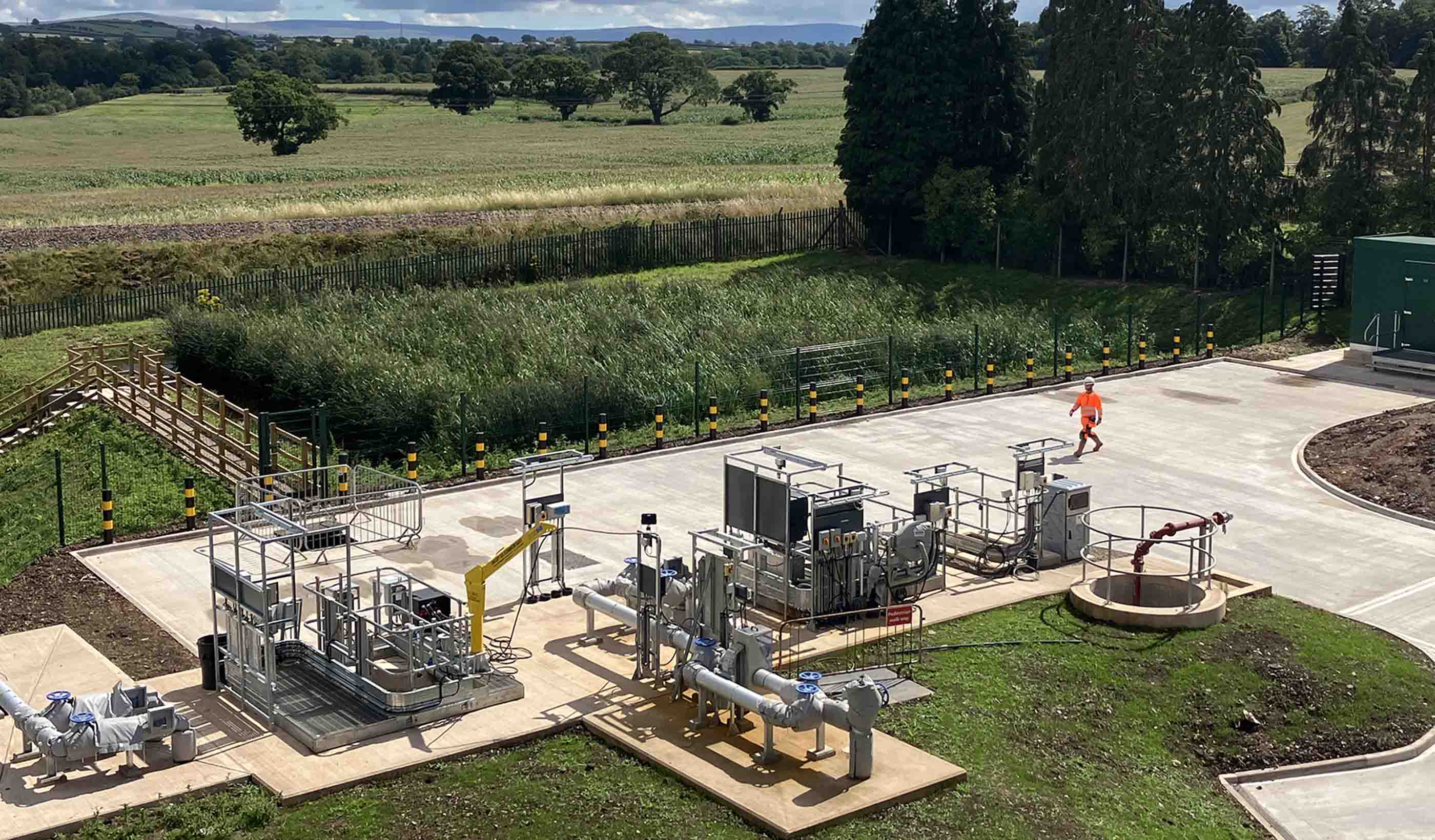
We’re undertaking field and laboratory trials of qPCR, which can better track microbial agents. We’re also helping lead water company trials into real-time monitoring devices and alternative assessment techniques. While they cannot test bathing water compliance, these approaches could offer quick, practical, and cost-effective ways to show the impact from certain assets and catchment features. That can help us calibrate new models.
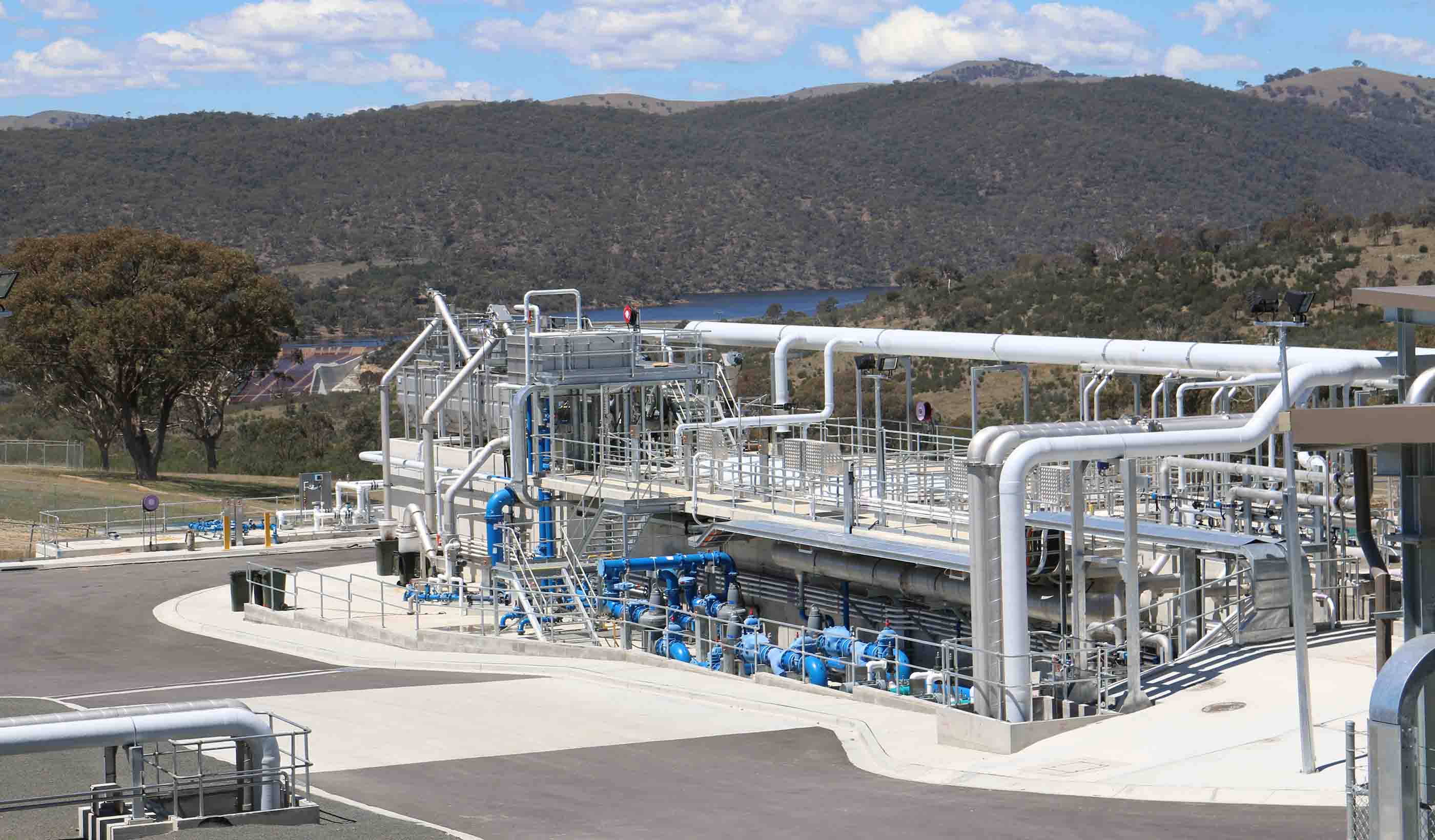
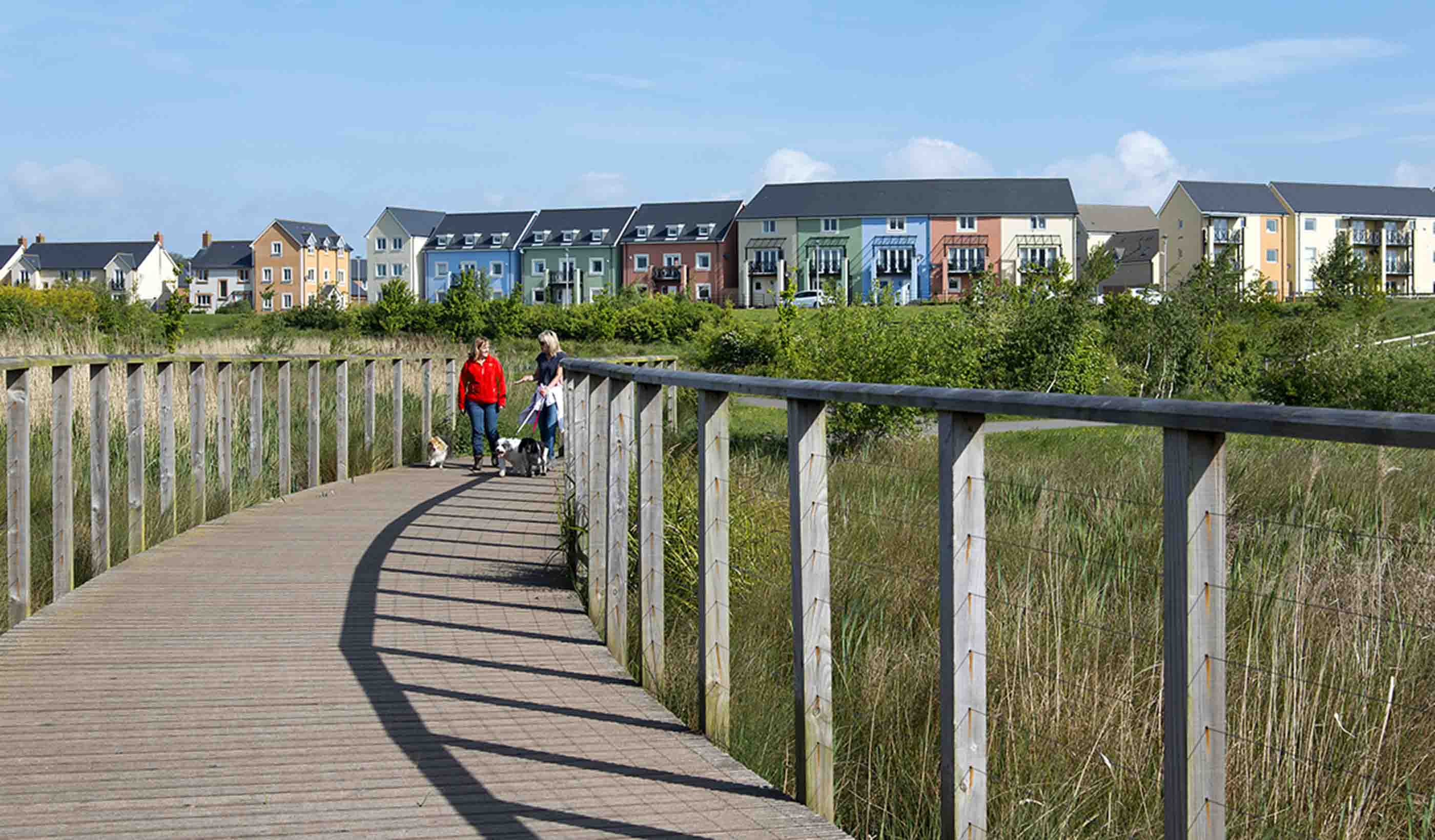
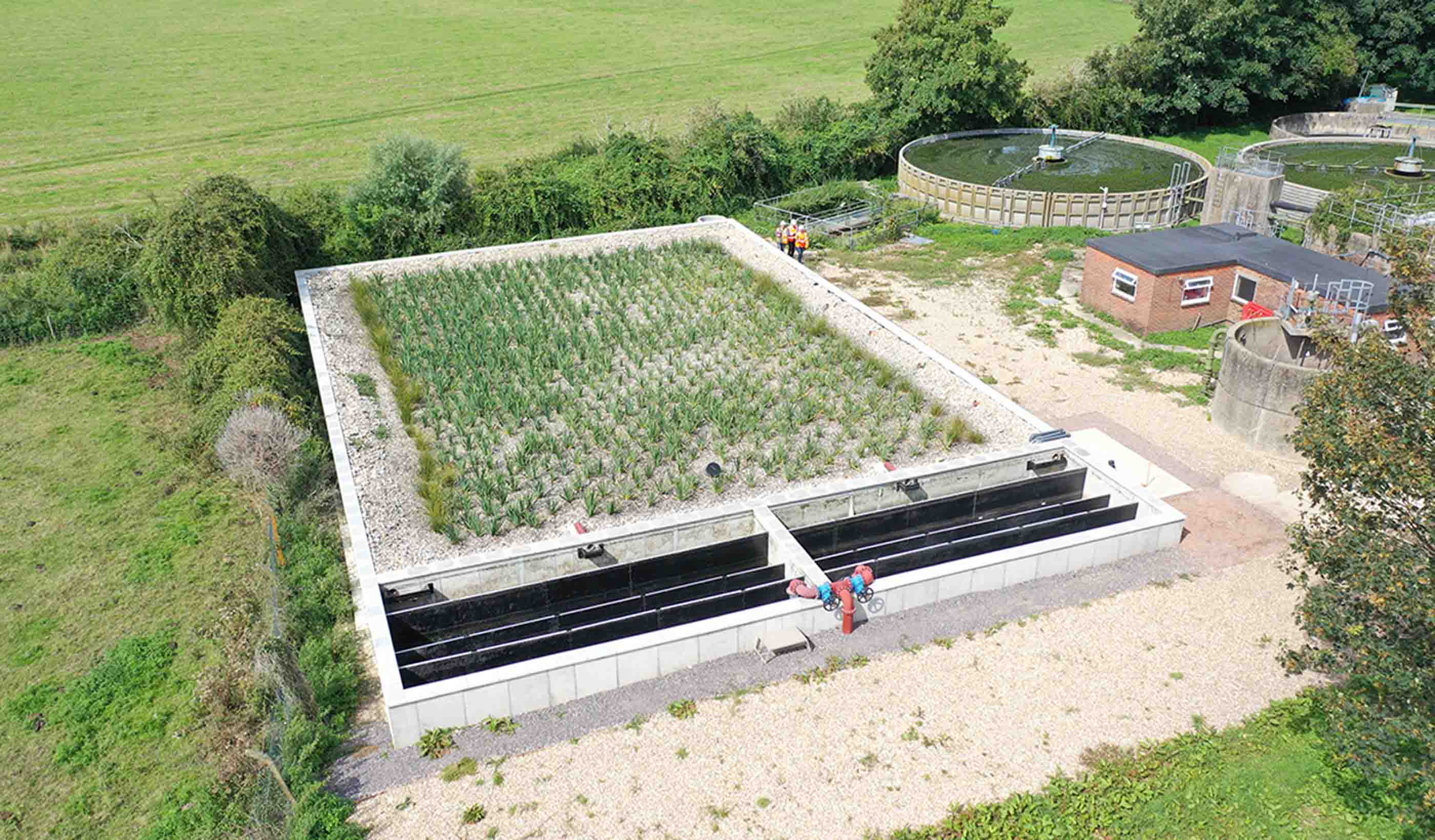
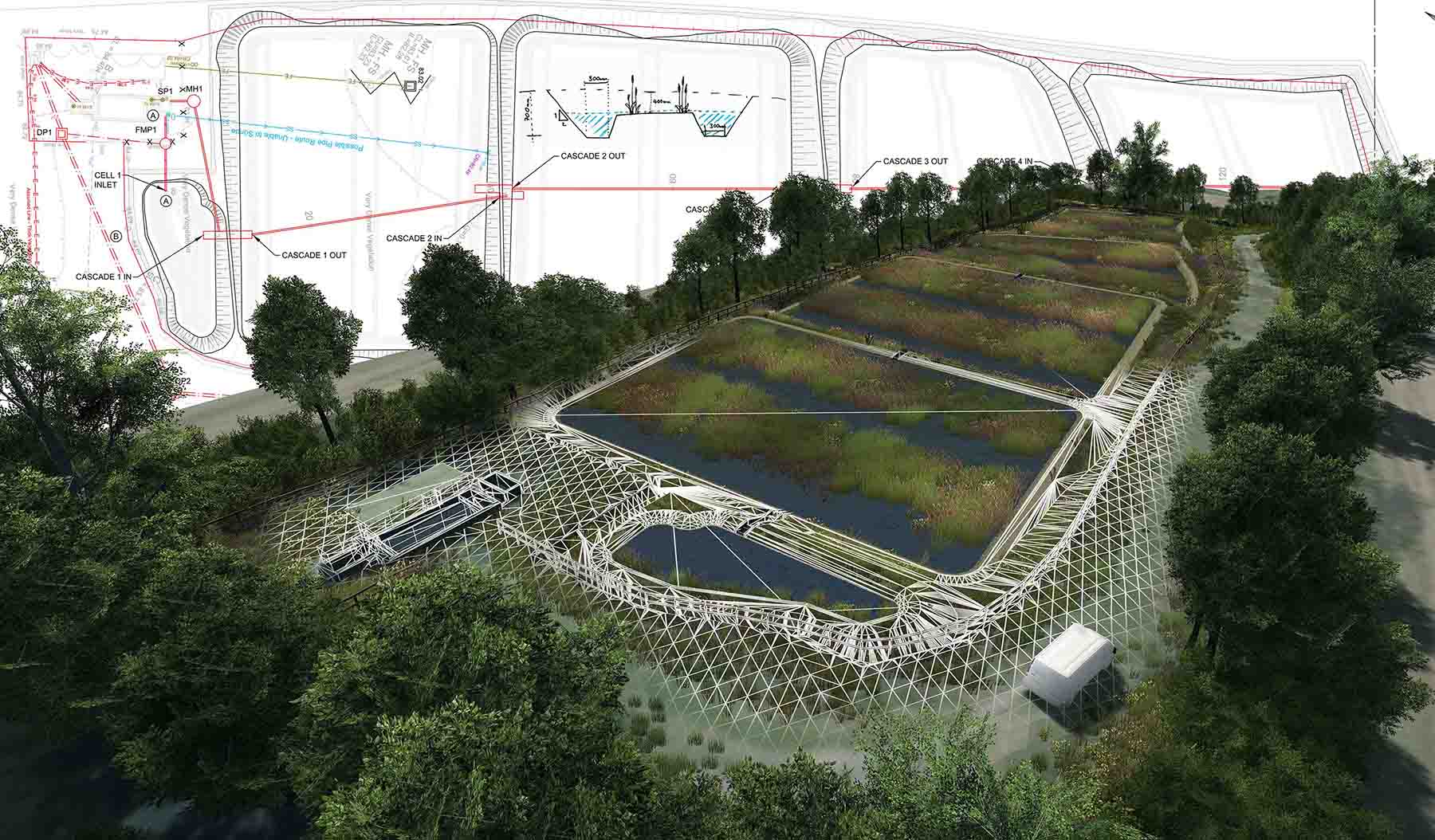
Our teams are leading trials into more innovative and sustainable treatment solutions. We’re looking into the impact of nature-based solutions—such as wetlands, seaweed and shellfish farms, and seagrass meadows—to disinfection techniques. These include using performic acid and peracetic acid. Our work with disinfection technologies allows us to further consider the impact that bacteria and viruses have on the design and development of solutions.
We recently completed a UKWIR research project, Better Health Protection Measures for Rivers. In it, we brought together existing knowledge and made recommendations across five key areas:
The project report is due to be published soon.
With better, more informed monitoring and analysis, water companies, authorities and communities can more easily identify areas of improvement and focus action where the risk to public health is highest. And this would help to improve safety and protect our bathing waters.