At a Glance
-
35+
Acres of Marsh
-
90K
Cubic Yards of Sand
- Location
- Accomack County, Virginia
- Offices
-
-
Partners
-
-
Randolph Macon College
-
George Mason University
-
VIMS
-
-
Grants
-
National Coastal Resilience Grant through the National Fish and Wildlife Foundation
-
-
Competitive State Wildlife Grant (C-SWG) through the Fish and Wildlife Service
- Location
- Accomack County, Virginia
- Offices
- Partners
-
- Randolph Macon College
- George Mason University
- VIMS
- Grants
- National Coastal Resilience Grant through the National Fish and Wildlife Foundation
- Competitive State Wildlife Grant (C-SWG) through the Fish and Wildlife Service
Share
Cedar Island Marsh Creation
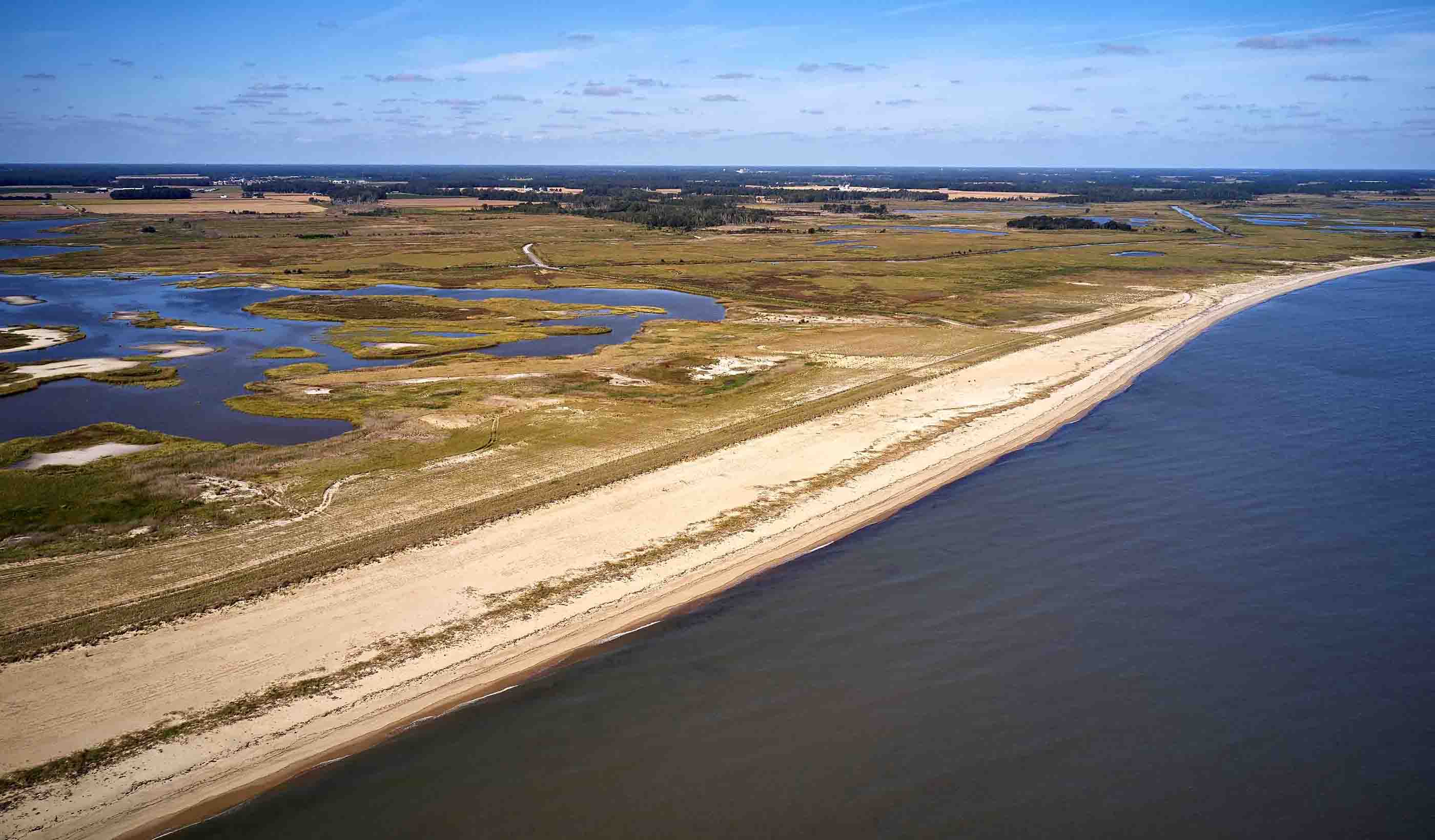
Cedar Island is one of the most low-lying, dynamic, and rapidly eroding islands along the Virginia barrier-island chain. The Virginia Institute of Marine Science (VIMS) wanted to enhance the resiliency of Cedar Island, a protected habitat, as well as the Town of Wachapreague located nearby, which would benefit from the barrier island’s protection.
VIMS is leading our collaborative team—a group of Stantec personnel alongside specialists from multiple universities—to develop recommendations for a marsh creation and enhancement along the bay side of the island. The goal is to provide a platform that would enable the island to stabilize and grow laterally and vertically, while it continues to undergo natural barrier island migration.
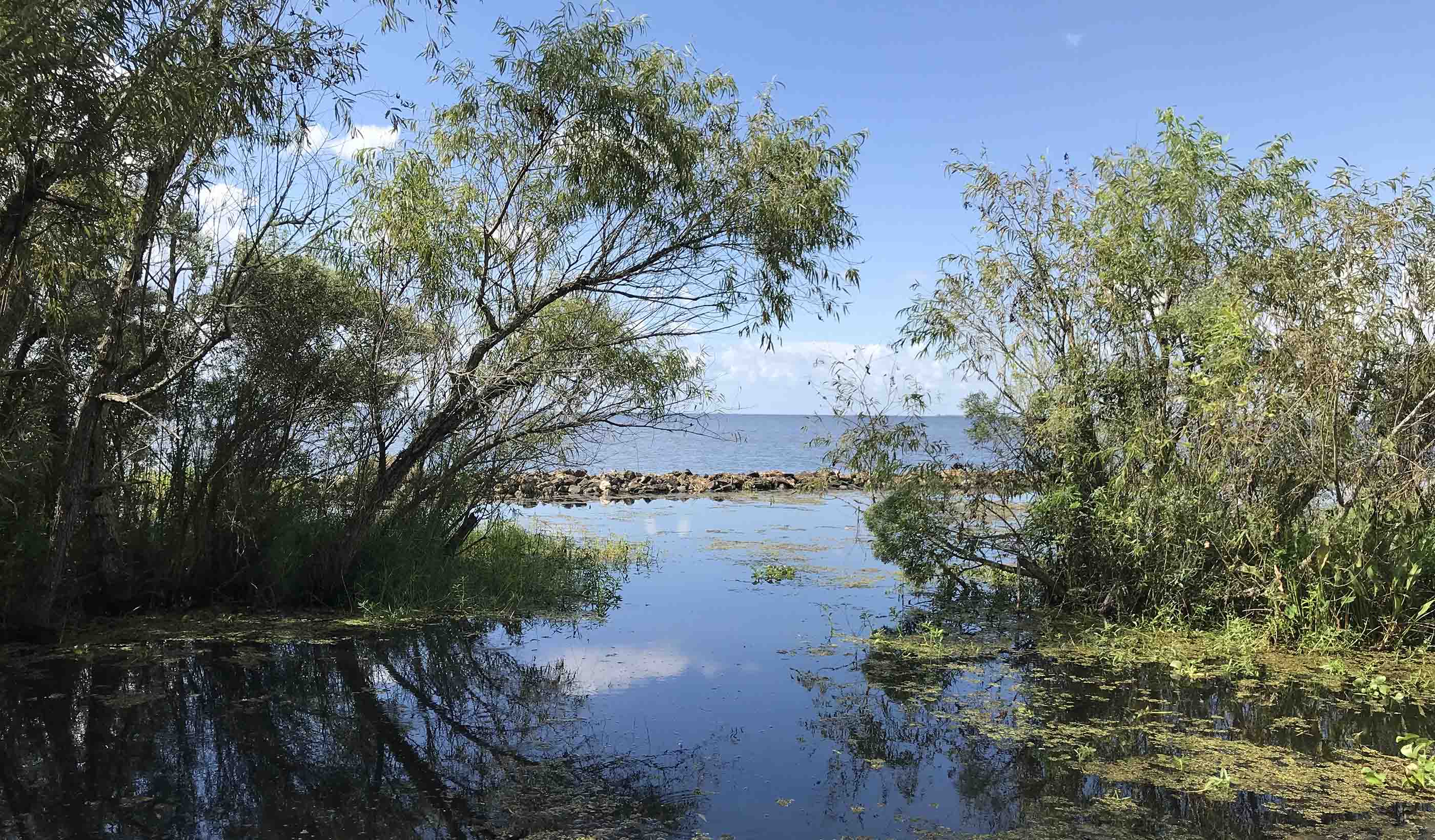
The final plans and specifications propose over 35 acres (14 hectares) of high and low marsh, which would be planted with native, desirable marsh grasses. This will lead to a complete, contiguous back barrier marsh habitat for southern Cedar Island that allows for natural barrier island rollover and enhanced resilience against storm events and continued sea level rise. The marsh will also create habitat for saltmarsh sparrow, a candidate species for federal listing under the Endangered Species Act.
We also conducted hydrodynamic modeling of the proposed marsh to understand its expected performance under different scenarios and refine our design. Our project partners used the results of the modeling and design to solidify support and secure funding for project implementation.
The project is currently in the final stages of securing regulatory approvals from local, state, and federal agencies.
At a Glance
-
35+
Acres of Marsh
-
90K
Cubic Yards of Sand
- Location
- Accomack County, Virginia
- Offices
-
-
Partners
-
-
Randolph Macon College
-
George Mason University
-
VIMS
-
-
Grants
-
National Coastal Resilience Grant through the National Fish and Wildlife Foundation
-
-
Competitive State Wildlife Grant (C-SWG) through the Fish and Wildlife Service
- Location
- Accomack County, Virginia
- Offices
- Partners
-
- Randolph Macon College
- George Mason University
- VIMS
- Grants
- National Coastal Resilience Grant through the National Fish and Wildlife Foundation
- Competitive State Wildlife Grant (C-SWG) through the Fish and Wildlife Service
Share
Todd DeMunda, Associate, Senior Coastal Engineer
The future of coastal engineering is sustainability—we must design with a recognition and understanding of long-term changes and impacts.
Chuck Roadley, Principal
I help clients realize their dreams through the application of science and an understanding of the regulatory landscape.
We take a multidisciplinary and holistic approach to coastal communities—it’s the key to our success and exceeding client expectations.
Jordan Bryant, Environmental Scientist
I enjoy blending data and the environment to help clients visualize outcomes for their projects and the environment.










We’re better together
-
Become a client
Partner with us today to change how tomorrow looks. You’re exactly what’s needed to help us make it happen in your community.
-
Design your career
Work with passionate people who are experts in their field. Our teams love what they do and are driven by how their work makes an impact on the communities they serve.